A trekking itinerary is more than a list of destinations. The order of each stop affects walking distance, sleeping altitude, transport arrangements, and the time available for rest. This is especially important on a journey that reaches more than 5,000 meters above sea level.
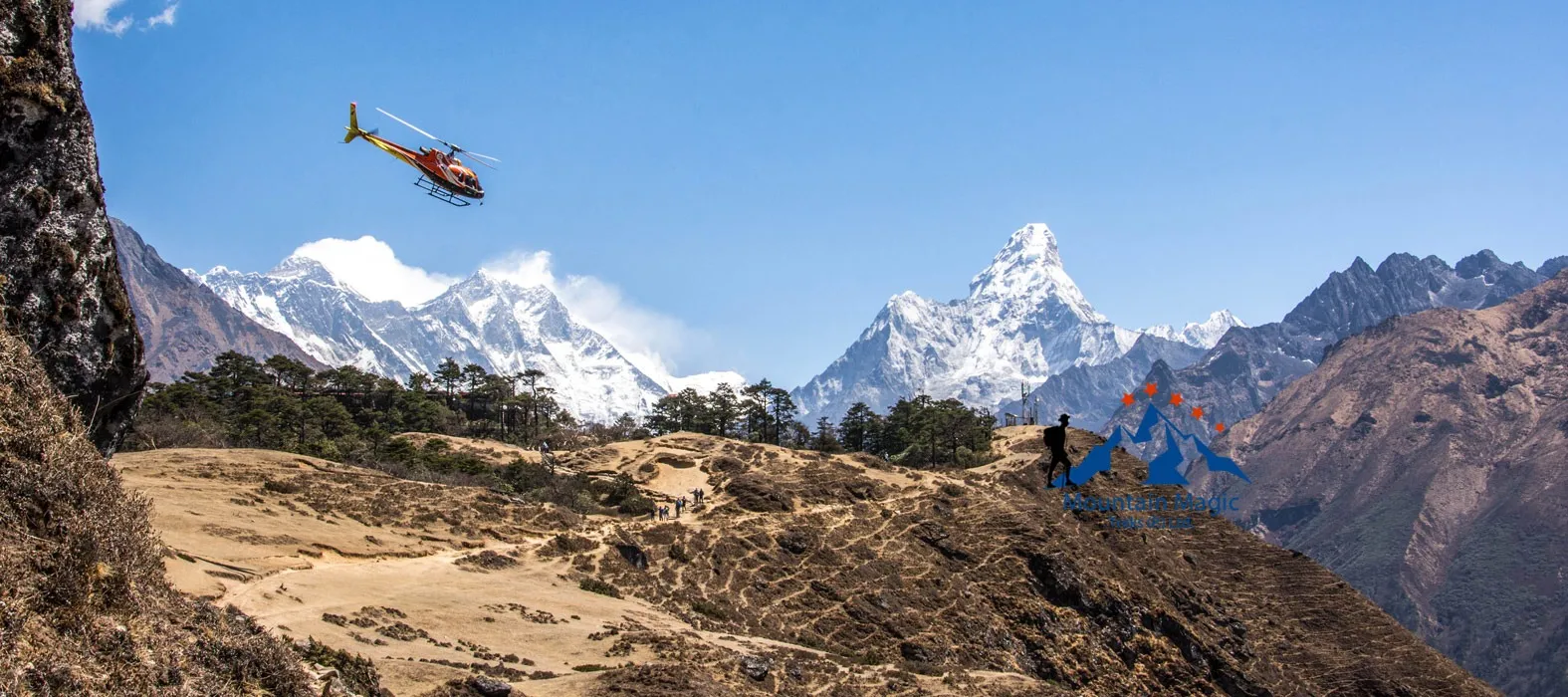
The Everest Base Camp Trek with Helicopter Return offered by Mountain Magic Treks follows a 10-day plan that combines mountain trekking with helicopter transportation. The route includes well-known Khumbu settlements, an overnight stay near Everest Base Camp, and a return flight from the Gorakshep area. Understanding how these parts fit together makes the package easier to evaluate before booking.
Kathmandu Is the Starting Point for Trip Arrangements
The journey begins in Kathmandu, where travelers arrive before heading toward the Everest region. The package includes airport transfers and hotel accommodation in the city.
This stage provides time to complete the main arrangements before entering the mountains. Travelers can meet the trekking team, check their equipment, and confirm important details about the planned route.
What Should Be Confirmed Before Leaving Kathmandu?
Before departure, travelers should make sure they understand:
-
The planned helicopter departure arrangements.
-
The luggage allowance for the flight.
-
The documents required for trekking permits.
-
The contact details of the guide and company.
-
The personal equipment needed for the mountain route.
The helicopter journey to Lukla replaces the usual road-and-air travel combination used on some other itineraries. Flight operations still depend on weather and other operating conditions.
Lukla Connects the Flight Section to the Walking Route
After reaching Lukla, the trip moves from air transportation to trekking. Lukla is the main starting point for the walking route used by many visitors entering the Khumbu region.
The trail continues toward Phakding, following the Dudh Koshi valley. This section introduces travelers to the mountain environment before the route reaches higher settlements.
The walking route then continues toward Namche Bazaar. The climb becomes more demanding as the trail gains elevation, making the next overnight stop an important part of the itinerary.
Namche Bazaar and Dingboche Provide Acclimatization Stops
Namche Bazaar and Dingboche are important locations in the itinerary because they allow time for adjustment to higher elevations.
Namche Bazaar sits at approximately 3,440 meters. It is a major settlement with teahouses, shops, and other facilities used by trekkers.
Dingboche is higher, at around 4,410 meters. Its position makes it another important stop before the route continues toward Lobuche and Gorakshep.
Why These Stops Matter
The body needs time to adjust when sleeping and walking at increasing elevations. A well-planned itinerary should not treat acclimatization as unused time.
Travelers should follow the guide’s instructions, avoid rushing uphill, and report symptoms such as headaches, nausea, dizziness, or unusual tiredness. If altitude sickness is suspected, the correct response may involve stopping the ascent or descending.
These stops are part of the route structure, not optional sightseeing breaks.
Tengboche and the Upper Khumbu Route
After Namche Bazaar, the trail passes through the Tengboche area. The settlement is known for its monastery and its position along the route toward Dingboche.
From there, the trail continues through Pangboche before reaching Dingboche. These villages help connect the lower and upper sections of the Khumbu trekking route.
Beyond Dingboche, the landscape becomes more open and rocky. The route passes the Dughla area and the memorial site at Thukla Pass before reaching Lobuche.
Each section brings travelers closer to the high-altitude destination, but the reduced oxygen level also makes careful pacing increasingly important.
Lobuche and Gorakshep Lead Toward the Main Trekking Goal
Lobuche is located at approximately 4,940 meters. It is one of the final major overnight stops before Gorakshep and Everest Base Camp.
The route from Lobuche to Gorakshep crosses a high-altitude landscape with rocky paths and glacial surroundings. Gorakshep, at roughly 5,164 meters, serves as a base for the final trekking activities.
From Gorakshep, travelers make the walk to Everest Base Camp, which sits at approximately 5,364 meters. The exact walking conditions can vary with trail and weather conditions.
Why the Itinerary Uses Gorakshep
Gorakshep is important because of its location near Everest Base Camp and Kala Patthar. It provides a practical overnight base for the final part of the trekking route.
The package’s helicopter return also uses the Gorakshep area as the departure point. This connects the high-altitude trekking section with the final transportation stage.
The Helicopter Return Changes the Final Travel Section
A major feature of this itinerary is the helicopter return from the Gorakshep area to Kathmandu. Instead of walking back through the same villages to Lukla, travelers use air transportation for the return journey.
This changes the overall structure of the trip. The walking route focuses on reaching the Everest region, while the helicopter provides a different way to complete the journey.
However, helicopter operations are not guaranteed in every condition. Weather, visibility, airport conditions, and operational decisions can affect departure plans. Travelers should understand that delays or changes may require adjustments to the schedule.
What Makes This 10-Day Plan Different?
The Everest Base Camp Trek with Helicopter Return combines several travel arrangements within one itinerary:
-
Helicopter transportation between Kathmandu and Lukla.
-
A mountain walking route through established Khumbu settlements.
-
Acclimatization stops at Namche Bazaar and Dingboche.
-
Overnight accommodation in mountain teahouses.
-
A visit to Everest Base Camp from Gorakshep.
-
Helicopter transportation back toward Kathmandu.
This structure reduces the need to retrace the full walking route after reaching the Everest region. It also requires careful coordination between the trekking team, flight operators, and travelers.
Before confirming a booking, review the latest itinerary and ask the company how schedule changes are handled if flights cannot operate as planned.
Final Thoughts
A 10-day mountain itinerary needs a clear connection between transportation, walking stages, overnight stops, and high-altitude activities. The route through Lukla, Namche Bazaar, Tengboche, Dingboche, Lobuche, and Gorakshep creates the trekking section, while the helicopter return completes the journey by air.
The Everest Base Camp Trek with Helicopter Return is structured around this combination. Knowing the purpose of each major stop helps travelers understand the route and prepare for the demands of the trip. A careful review of the itinerary before booking is the best way to avoid confusion about what happens at each stage.
Frequently Asked Questions
1. How long is the package itinerary?
Mountain Magic Treks lists the trip as a 10-day itinerary. Travelers should check the latest schedule before confirming their booking.
2. Where does the walking section begin?
The walking section begins in Lukla and continues through villages and settlements in the Khumbu region.
3. Which locations are used for acclimatization?
Namche Bazaar and Dingboche are the main acclimatization stops listed along the route.
4. Where does the helicopter return begin?
The return helicopter journey is arranged from the Gorakshep area, subject to weather and operational conditions.
5. Does the itinerary include Everest Base Camp?
Yes. The trekking route includes a visit to Everest Base Camp from Gorakshep.