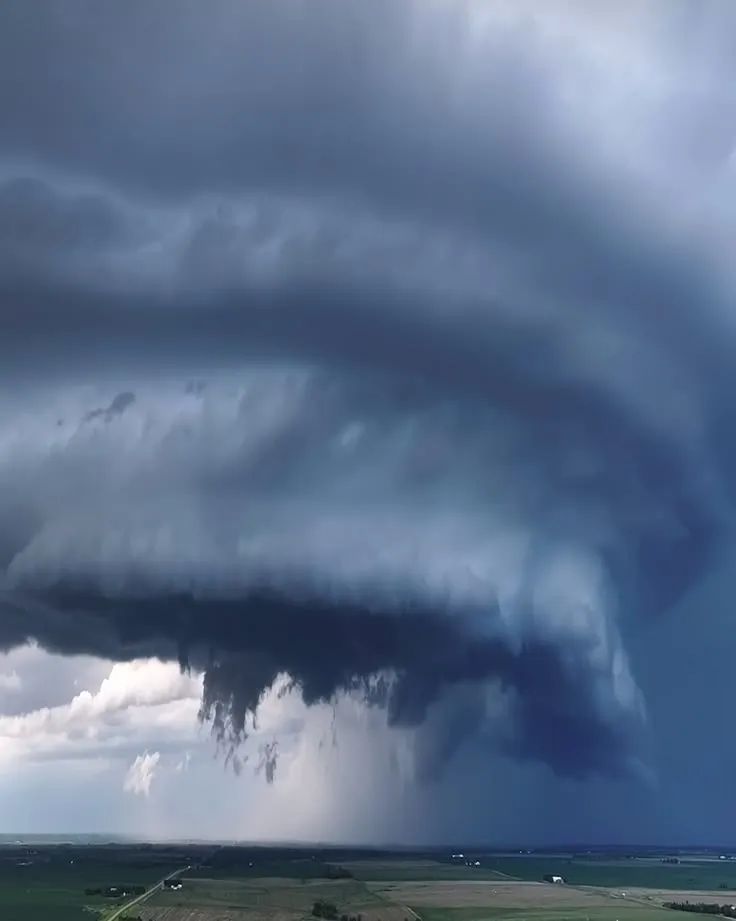
Some destinations are remembered for architecture, mountains, or coastlines. Across the Great Plains, the sky itself can become the defining feature. Its scale is immediately noticeable when urban buildings and dense tree cover give way to open land and distant horizons. Travelers considering tornado tours 2027 Kansas may arrive because of an interest in severe weather, but the sheer openness of the region can become an attraction in its own right.
Big skies also change the way people observe weather. Clouds can be seen as part of a much larger scene, sunlight travels visibly across the landscape, and distant rain may appear long before it reaches a particular location. This sense of space gives storm-focused travel a visual character that is difficult to reproduce in more enclosed environments.
A Wide Horizon Changes Your Sense of Scale
Large clouds can lose their sense of size when buildings or trees block most of the view. Across open portions of the Plains, travelers can sometimes see far more of a developing weather system. The relationship between land and sky becomes especially striking. A narrow strip of farmland may occupy the bottom of the view while towering clouds dominate everything above it. For newcomers, this can provide a much clearer impression of how large thunderstorms actually are.
The Sky Is Constantly Creating New Scenes
An open horizon rarely looks the same for long. Clouds form and move, sunlight disappears and returns, and distant precipitation can alter the appearance of one section of the sky while another remains bright. This variety rewards observation even outside periods of active severe weather.
A relatively calm afternoon may offer interesting cloud textures, while later conditions can produce deeper contrasts and more dramatic shapes. Travelers who keep looking around often discover that the entire horizon is worth watching.
Distance Becomes Visually Interesting
One distinctive feature of open country is the ability to see weather from farther away. A distant thunderstorm may appear as a complete structure rather than simply a dark cloud overhead. This wider perspective can be particularly useful for photography because the surrounding landscape provides scale.
A storm above fields, rural roads, or distant structures tells a more complete visual story than clouds photographed without any reference to the environment below.
Kansas Offers Strong Landscape Context
People researching tornado tours 2027 can expect the state’s agricultural scenery to contribute to the experience. Fields, farm structures, small communities, and long roads create recognizable Plains landscapes beneath the sky.
Several simple subjects can work particularly well in photographs:
-
Roads extending toward the horizon
-
Fields beneath large cloud formations
-
Distant grain elevators
-
Rural structures under changing light
-
Rainfall visible across open country
-
Evening skies beyond farmland
These elements provide context without competing with the weather.
Cloud Layers Add Depth
Not every interesting sky needs a single enormous thunderstorm. Multiple cloud layers can create depth across a wide view. Lower clouds may move beneath higher formations, while openings reveal brighter areas beyond. When sunlight reaches only part of the landscape, the contrast can make the scene feel almost three-dimensional.
Observing these layers encourages travelers to appreciate atmospheric detail instead of waiting exclusively for severe-weather features.
Sunlight Can Travel Across the Landscape
Open terrain makes changes in illumination particularly easy to notice. As clouds move, broad patches of sunlight and shadow may travel across fields. This can completely alter a view within minutes.
Photographers may find that waiting in one location produces several different compositions without changing position. A field that initially appears muted can suddenly become the brightest element in the scene when sunlight reaches it.
Evening Expands the Color Palette
Late-day light introduces another character to big-sky landscapes. Lower sunlight can bring warmer tones to fields and cloud edges while the eastern horizon remains considerably darker. If storms are present in the distance, this contrast can become especially noticeable.
Even after active observation has ended, the evening drive can provide views worth remembering. Departing clouds and fading daylight often create a quieter conclusion to a visually busy day.
Big Skies Encourage Slower Observation
Modern travel often encourages visitors to move quickly from one attraction to another. Watching a large sky has the opposite effect. There is value in staying with a scene long enough to notice how it changes. Clouds develop, light shifts, and distant weather gradually takes on a different appearance.
That slower form of observation can become one of the most relaxing and memorable aspects of a weather-focused journey.
Conclusion
The expansive skies of the Great Plains give storm-chasing travel a visual identity that extends well beyond severe weather. Broad horizons, distant clouds, agricultural landscapes, moving sunlight, and evening color can make every stretch of road look different.
For travelers who enjoy open spaces and atmospheric scenery, Storm Chasing Adventure Tours provides an opportunity to experience the Plains on a scale where the sky is not merely background; it becomes one of the defining features of the journey.