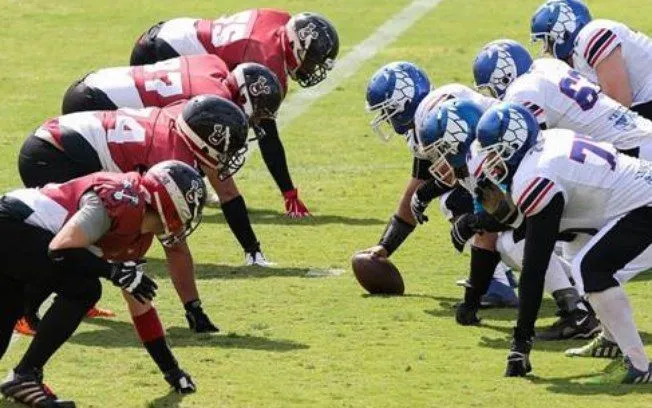
Watching American football is easy to enjoy even when you do not understand every detail. The quarterback takes the snap, receivers move into space, defenders react and the result appears on the scoreboard. Yet the most interesting part often happens before the ball moves. Every snap begins with a decision about formation, personnel, situation and the problem the offense wants to solve.
For fans who want to move beyond simply following the ball, interactive play-calling offers a useful way to learn. Instead of being told what a concept means, you make a choice, see the response and then connect the outcome to the decision that created it.
Start With the Situation, Not the Highlight
A good football decision is rarely about choosing the most exciting play. Coaches think about down, distance, field position, defensive tendencies, personnel, and risk. A deep pass on third-and-short may succeed, but it carries a different risk profile from a quick concept designed to gain a few yards.
Using a Football Play Simulator can make those choices easier to understand because the learner is placed inside a possession rather than shown an isolated diagram. When the result is tied to the situation, concepts such as field position and down-and-distance begin to feel practical instead of theoretical.
Why Choosing a Play Creates Better Questions
Passive viewing often hides the reason a play failed. A viewer may notice that a pass was incomplete without asking whether the defense took away the first read, pressure arrived early, or the quarterback chose the wrong area of the field.
When you call the play yourself, the questions become sharper. Why did this meet an unblocked defender? Why did a short route open underneath? Why did a safety stay deep instead of attacking the line? Those questions are the foundation of football literacy because they shift attention from the final result to the structure of the play.
The Defense Is Part of the Lesson
Offensive football does not happen in isolation. Every concept is designed with defensive reactions in mind. A passing idea may try to stretch a zone defender between two threats. A run may attempt to create leverage at the edge. Play-action may use an expected run response to open space behind linebackers.
This is why a useful learning experience must show both sides of the snap. Seeing how the defense aligns and reacts helps a beginner understand that a play is not simply a route pattern or blocking diagram. It is an attempt to create an advantage against a specific response.
Repetition Builds Pattern Recognition
The first time a beginner sees a two-high safety shell, it may mean very little. After repeated snaps, however, familiar patterns begin to appear. The learner starts noticing where defenders line up, which areas look crowded, and how certain formations create space.
That recognition is valuable because experienced football viewing depends heavily on patterns. Fans begin to identify likely pressure, possible coverage structures, and the areas an offense may try to attack. Repetition turns abstract terminology into something visible.
Learning Through Consequences
One reason interactive learning works well is that decisions have consequences. If a user chooses a concept that matches the defensive look, the play may create a favorable opportunity. If the decision is poorly matched, the explanation after the snap can show what went wrong.
A Call Your Own Plays Football Game makes this process more memorable than simply reading a list of definitions. The learner is not expected to become a coach after a few drives. The goal is to connect choice, defensive response, and outcome often enough that football starts to make more sense.
Keep the Model Simple at First
Real football contains enormous complexity. Protections can change, receivers may adjust routes, defenders disguise intentions, and quarterbacks can make checks before the snap. Beginners do not need all of that at once.
A simplified learning environment is helpful when it clearly presents the main idea: identify the situation, choose a concept, watch the defense react, and review why the result occurred. Complexity can be added later as the learner becomes comfortable with the basics.
Conclusion
Understanding American football becomes much easier when the game is treated as a series of decisions rather than a collection of highlights. Calling plays encourages fans to notice situation, spacing, leverage, and defensive reaction before focusing on the final yardage.
Interactive practice cannot reproduce every detail of professional football, but it can provide a useful bridge between reading about strategy and recognizing it during a real game. Once fans begin asking why a play was chosen and how the defense answered, every snap becomes more informative.