Public transportation has become an essential part of modern cities because it provides affordable, efficient, and sustainable ways for people to travel. As urban populations continue to increase, cities face major challenges such as traffic congestion, air pollution, limited parking spaces, and rising transportation costs. A well-developed public transportation system helps solve these problems while improving the overall quality of life for residents.
Understanding how public transportation benefits cities helps explain why governments and urban planners invest heavily in buses, metro systems, trains, and other shared transportation services. Public transit not only connects people to workplaces, schools, and essential services but also supports economic growth, environmental protection, and healthier communities.
What Is Public Transportation?
Public transportation refers to shared transportation services designed for public use. These systems include buses, trains, metro networks, trams, commuter rail, and other forms of organized travel. Unlike private vehicles, which carry only a few passengers at a time, public transportation moves large numbers of people through common routes.
Modern public transportation systems are designed to provide convenient and reliable mobility while reducing dependence on private vehicles. They play an important role in creating connected cities where people can easily access employment opportunities, education, healthcare facilities, and social activities.
Public Transportation Reduces Traffic Congestion
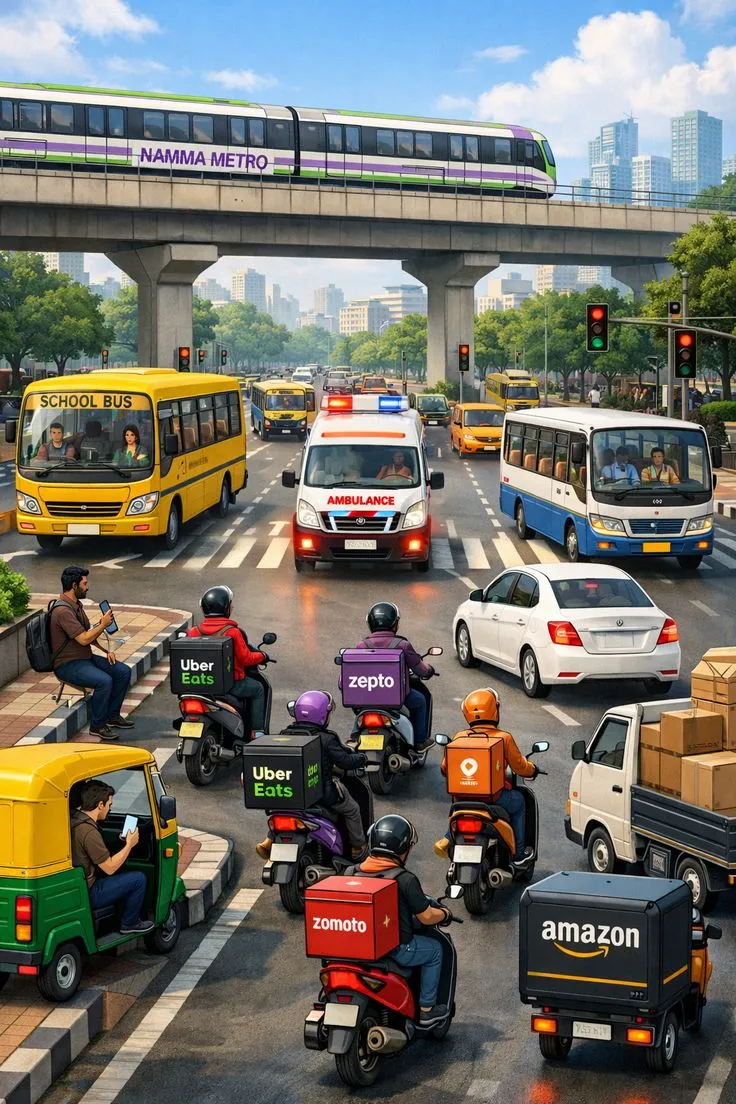
Traffic congestion is one of the biggest challenges faced by growing cities. A large number of private vehicles on roads creates longer travel times, increased fuel consumption, and daily frustration for commuters. Public transportation helps reduce this problem by allowing many people to travel together using fewer vehicles.
A single bus or train can carry a large number of passengers who might otherwise use separate cars or motorcycles. When more people choose public transit, the number of vehicles on roads decreases, which improves traffic movement and reduces delays.
Reduced congestion benefits everyone, including people who continue using private vehicles. Smoother traffic flow leads to shorter travel times, lower fuel consumption, and better road efficiency.
Helps Reduce Air Pollution and Protect the Environment
Transportation activities contribute significantly to air pollution, especially in densely populated urban areas. Cars and other private vehicles release emissions that affect air quality and contribute to climate-related challenges.
Public transportation helps reduce environmental damage by carrying more passengers with fewer vehicles. Buses and trains are generally more efficient because they use less energy per passenger compared to individual cars. Many cities are also introducing electric buses, cleaner fuel technologies, and energy-efficient rail systems to make public transport more environmentally friendly.
Cleaner transportation systems help create healthier cities by reducing harmful pollutants in the air. Better air quality can improve public health and reduce problems associated with pollution exposure.
Makes Transportation More Affordable
Owning and maintaining a private vehicle can be expensive. Fuel costs, insurance, repairs, maintenance, parking fees, and other expenses create a financial burden for many individuals and families.
Public transportation provides a more affordable option for daily travel. Passengers can use buses, trains, or metro services without the high costs associated with vehicle ownership. Affordable transit options are especially helpful for students, workers, senior citizens, and people who do not have access to private vehicles.
By lowering transportation expenses, public transit allows people to save money and use their income for other important needs.
Improves Accessibility and Connects Communities
A strong public transportation system connects different areas of a city and makes important locations easier to reach. It allows people to travel to offices, schools, hospitals, markets, and entertainment areas without depending on personal vehicles.
Public transportation is particularly valuable for people who cannot drive, including elderly citizens, individuals with disabilities, and those without access to cars. Accessible transit services help create equal opportunities by ensuring that mobility is available to a wider population.
Better connectivity also strengthens communities because people from different neighborhoods can interact, work, and participate in social and economic activities more easily.
Supports Economic Development and Creates Employment Opportunities
Public transportation plays an important role in supporting city economies. Reliable transportation helps businesses attract employees and customers because people can reach commercial areas more easily.
When transportation networks improve, businesses often experience better customer access and increased economic activity. Offices, shopping centers, and service providers benefit when more people can conveniently travel to different parts of the city.
The public transportation industry also creates many employment opportunities. Jobs are generated in areas such as vehicle operations, maintenance, engineering, technology development, administration, and customer support. Investment in transit infrastructure contributes to economic growth and job creation.
Improves Productivity and Reduces Daily Stress
Daily commuting can be stressful, especially when people spend long hours driving through crowded roads. Public transportation can make travel more comfortable and predictable by reducing the pressure of driving.
Passengers can use travel time for reading, working, studying, or relaxing instead of focusing on traffic. Reliable schedules and improved transit planning help people manage their daily routines more effectively.
By reducing commuting stress, public transportation contributes to better work-life balance and improved overall well-being.
Encourages Sustainable Urban Development
Public transportation is an important part of sustainable city planning. Cities with strong transit networks often develop neighborhoods where homes, workplaces, and essential services are located closer together.
This type of development reduces dependence on cars and encourages walking and cycling. It also helps cities use land more efficiently by reducing the need for large parking areas.
Sustainable transportation planning allows cities to handle population growth while maintaining a cleaner and more organized urban environment.
Benefits Public Health and Quality of Life
The advantages of public transportation are not limited to travel. Many people who use buses or trains walk to stations and stops, which naturally increases physical activity in daily routines.
Public transit also helps reduce noise pollution and creates cleaner urban spaces by lowering the number of vehicles on roads. Less traffic congestion and improved air quality contribute to healthier living conditions.
A city with efficient transportation options provides residents with a better lifestyle by making daily movement easier and more comfortable.
Reduces Parking Challenges in Urban Areas
Parking shortages are a common problem in large cities. As more people use private vehicles, cities require additional parking spaces, which takes away valuable land that could be used for parks, housing, and public facilities.
Public transportation reduces the need for large numbers of private vehicles in crowded areas. This allows cities to use land more effectively and create more pedestrian-friendly spaces.
Better management of urban space improves the appearance and functionality of cities while making them more enjoyable places to live.
The Future of Public Transportation
The future of public transportation is focused on creating smarter, cleaner, and more efficient systems. Cities around the world are adopting advanced technologies such as electric buses, digital payment systems, real-time tracking, and automated transportation solutions.
Technology is improving passenger experiences by making travel information easier to access and services more reliable. Data-based planning also helps transportation authorities understand passenger needs and improve routes.
As urban populations continue to grow, investment in modern public transportation will become increasingly important for building sustainable and connected cities.
Conclusion
Public transportation is a powerful tool for improving cities and enhancing everyday life. It reduces traffic congestion, lowers pollution, provides affordable travel options, supports economic growth, and creates better access to opportunities.
The importance of public transportation goes beyond moving people from one location to another. It helps create healthier communities, supports sustainable development, and makes cities more efficient and comfortable for everyone.
As cities continue to expand, reliable and accessible public transportation will remain a key solution for addressing modern urban challenges and building a better future.