A polished gel manicure is not only about choosing an attractive colour. The final result depends on preparation, product compatibility, application control and the way each layer works with the next. For professional nail technicians, a reliable routine can make services more consistent while reducing the risk of lifting, uneven surfaces or premature wear.
Rather than relying on one product for every client, it helps to understand how different bases, tops and gel systems fit into a complete manicure. This also makes it easier to adjust the service for different nail conditions, lengths and design preferences.
Start With the Natural Nail, Not the Colour
Good gel work begins before the bottle is opened. The natural nail should be clean, shaped and prepared carefully. Product left around the cuticle area can affect adhesion, while excessive filing may leave the nail plate unnecessarily thin.
The aim is to create a clean working surface without over-preparing it. Dust should be removed, and any dehydrating or preparation products should be used according to the instructions for the system being applied.
Choose a Base According to the Client’s Nails
Base coats are not all designed to perform in the same way. A technician may want a thinner base for a naturally strong nail, while a more structured or flexible product can be useful when extra levelling is needed.
The Adore Professional range includes different base options, including rubber, fibre and classic-style products. Having more than one type available can be useful in a salon because clients rarely arrive with identical nail conditions.
The important part is selecting the base for the actual service rather than automatically reaching for the same bottle. Nail flexibility, surface condition, desired length and the planned colour layer can all influence the choice.
Control Thickness Before Curing
One common reason a manicure looks bulky is that too much material has been added during several stages. A thick base followed by heavy colour coats and an oversized top layer can make an otherwise neat set appear uneven.
Applying controlled layers usually produces a cleaner profile. When levelling is required, the product should be guided carefully so that structure is created where needed without flooding the sidewalls or cuticle area.
Curing should follow the manufacturer’s directions. Different formulations may have their own recommended lamp type and curing time, so technicians should avoid assuming that every gel behaves identically.
Think of Colour as Part of a System
Colour choice is often the most visible part of the appointment, but performance still depends on what sits underneath it. Pigmented gels vary in consistency and opacity. Some shades may cover well in a thin coat, while others need a second application for an even result.
A professional should also consider the client’s lifestyle. Neutral colours can be practical for clients who prefer understated regrowth, while stronger shades, glitter finishes or decorative effects may suit clients who change their manicure frequently.
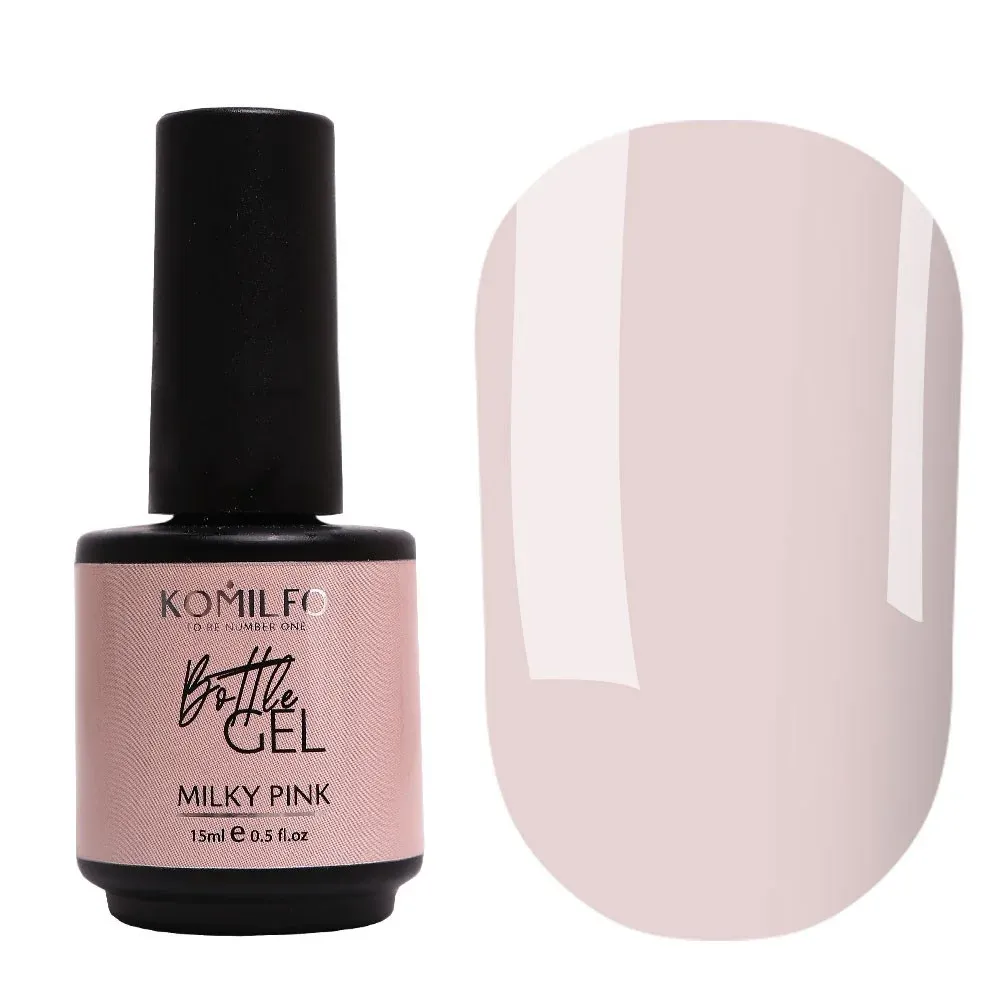
Product collections such as Komilfo give technicians access to gel polishes as well as base, top and gel-system products, allowing materials to be selected according to the finish and technique required.
Keep the Cuticle Area Clean
Precision around the cuticle line can change the entire appearance of a manicure. Even a high-quality colour can look untidy if the gel has touched the surrounding skin or been applied with an inconsistent gap.
Using a controlled brush load is often more effective than moving a large amount of product around the nail. Thin, deliberate application also makes it easier to maintain symmetry from one nail to the next.
Any gel that reaches the skin should be removed before curing. This keeps the finish cleaner and supports more careful professional practice.
Finish for the Intended Look
The top coat is more than a final shiny layer. It protects the colour and influences the finished appearance. Depending on the chosen system, technicians may work with glossy, no-wipe, flexible or other specialised finishes.
The top should cover the colour evenly without creating unnecessary bulk. Attention should also be given to the free edge, particularly for clients whose nails experience frequent everyday contact.
Once curing is complete, the technician can inspect the surface from several angles. This makes it easier to catch uneven reflection, missed areas or excess material before the appointment is finished.
Conclusion
Consistency in gel manicures usually comes from the small decisions made throughout the service. Preparing the nail carefully, controlling product thickness and adapting the base or finish to the client can make the overall process far more predictable.
For a working nail technician, that consistency is especially valuable because it helps create a routine that can still be adjusted from one client to another. kodiprofessional.com brings together professional nail products that can support different stages of that routine without requiring every manicure to follow the same formula.